
Introduction
Condition-Based Maintenance (CBM) is more than just a buzzword. It’s a strategic shift from fixed schedules to data-driven decision-making, ensuring maintenance happens only when it’s truly needed.
From Theory to Practice
The promise of CBM is simple: monitor the health of equipment, detect changes early, and intervene before small issues become big failures. But to make it work, organisations need more than technology — they need a clear strategy.
Building a Successful CBM Program
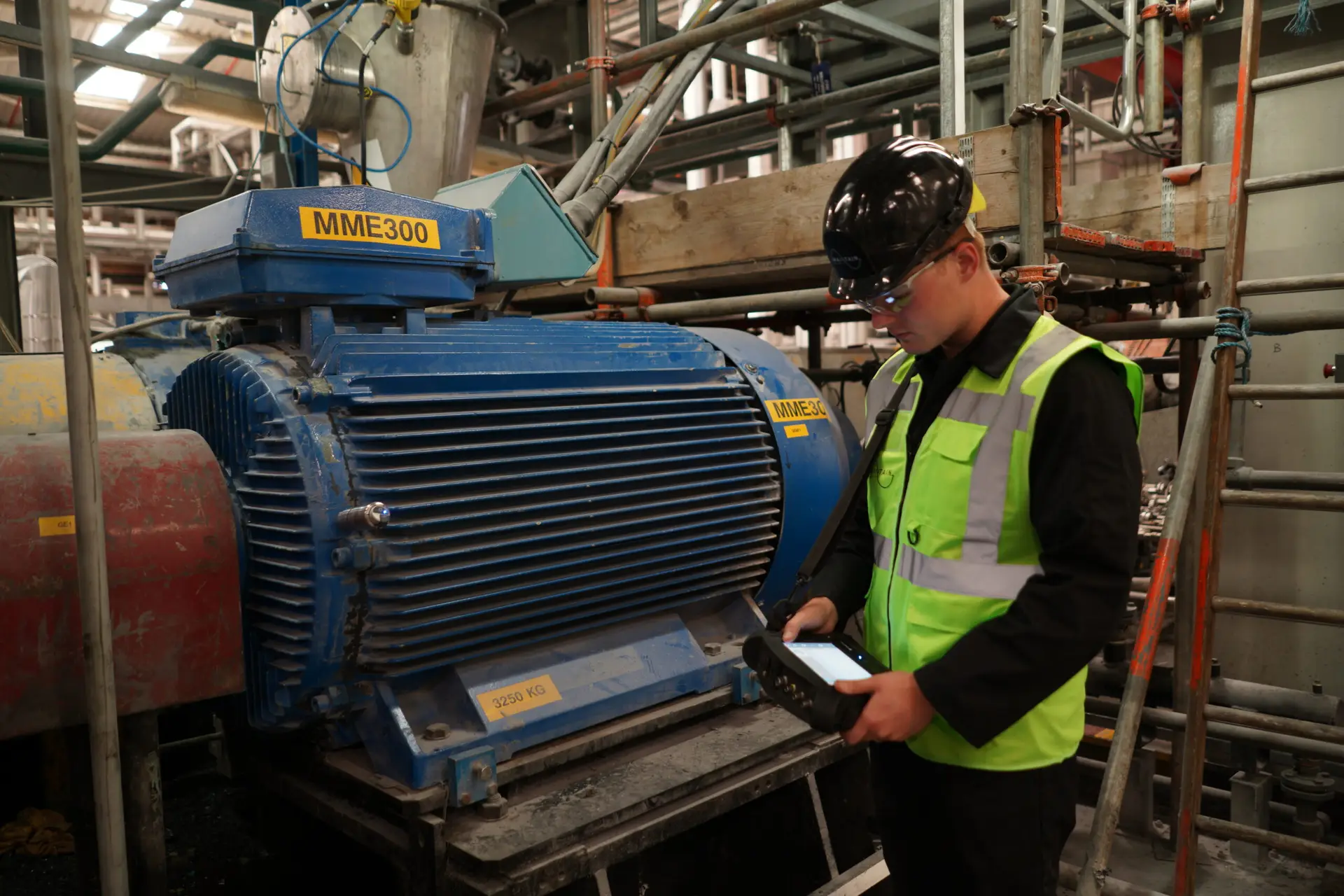
A strong CBM approach starts with defining goals: Which assets carry the most risk? Which failures cost the most? From there, you integrate the right monitoring tools, from vibration analysis to portable systems like Sparrow, and ensure teams are trained to act on the insights.
The Payoff
When done well, CBM improves uptime, lowers maintenance costs, and extends asset life. More importantly, it shifts maintenance teams from firefighting to foresight — building confidence and resilience across operations.
Conclusion
CBM is the future of smart maintenance, but it only delivers when grounded in strategy and supported by the right tools. With the right approach, organisations can turn condition data into reliability gains and lasting results.
